Pontiac Historic Timeline
Exploring the legacy of an iconic American automobile brand (1926-2010)
Made by Forever Pontiac
Historical Timeline
1926: Pontiac Founded
Pontiac was established as a companion marque to GM's Oakland division. The first Pontiac, the '6-27' (six-cylinder, 27th year of the 20th century) was introduced as a 1926 model and became one of the best-selling cars in America.
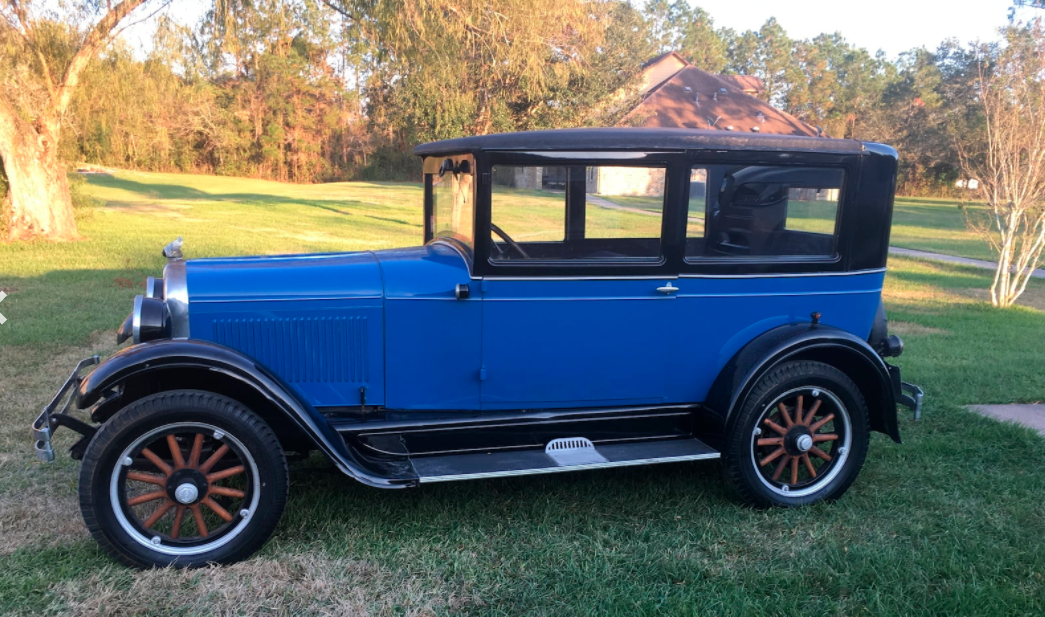
1932: Oakland Division Discontinued
After Pontiac's success overshadowed its parent division, General Motors discontinued the Oakland brand entirely, allowing Pontiac to become a stand-alone division.
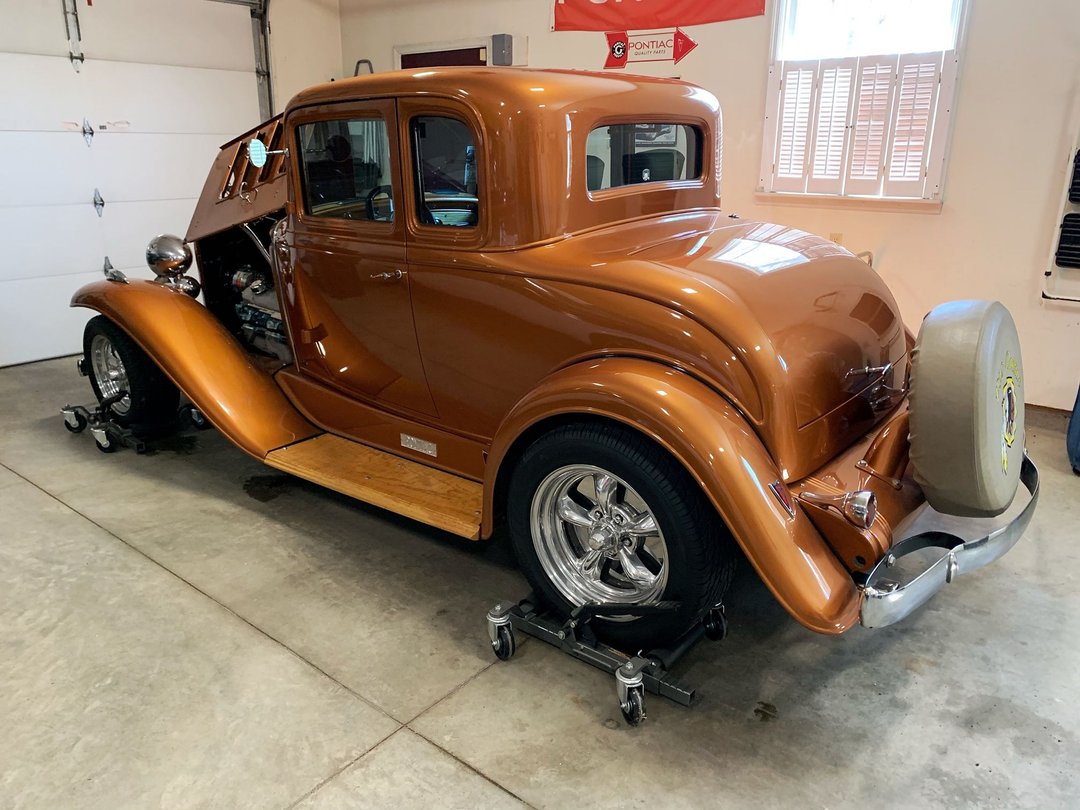
1935: First Pontiac Silver Streak
Pontiac introduced the 'Silver Streak' styling, featuring distinctive chrome strips running down the center of the hood and trunk. This became Pontiac's signature design element for over two decades.
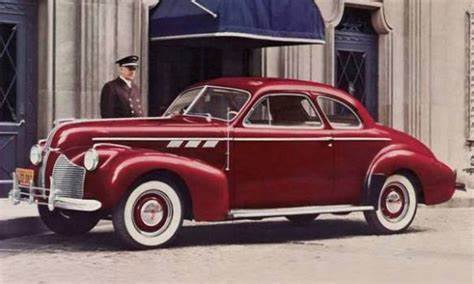
1941: Torpedo Series Introduced
Pontiac introduced the Torpedo series, featuring the 'Torpedo' body style which had a sloping, fastback design. Production was soon interrupted by World War II as Pontiac switched to military production.
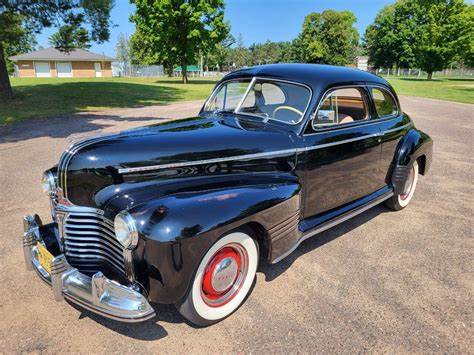
1949: First Post-War Redesign
Pontiac unveiled its first completely redesigned post-war models, featuring more rounded, modern styling that reflected the optimism of post-war America.
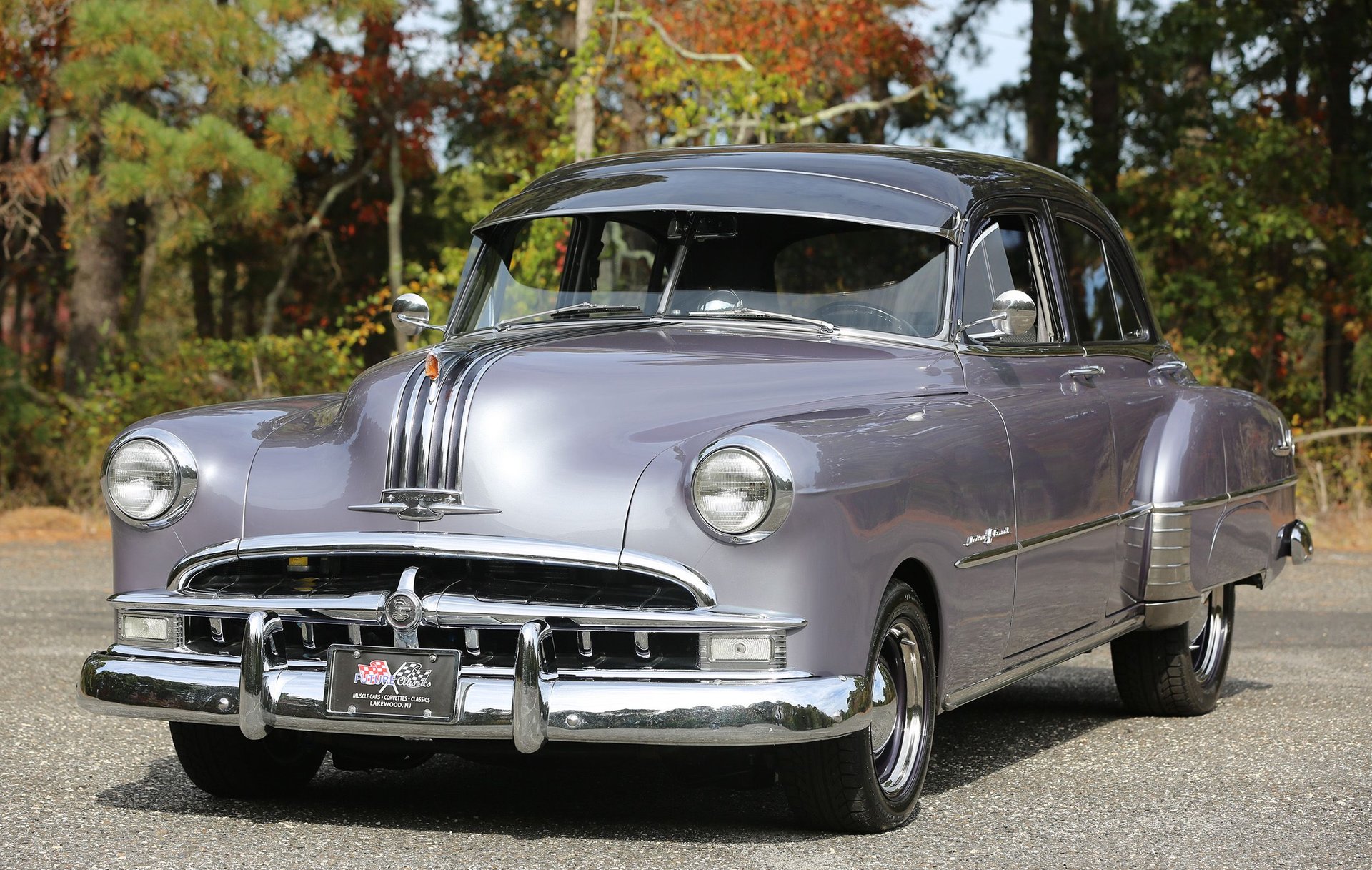
1956: Pontiac Star Chief
The Star Chief served as Pontiac's prestige model, featuring a distinctive two-tone paint scheme and chrome-laden styling. The Star Chief Custom Safari two-door hardtop station wagon was added to the lineup.
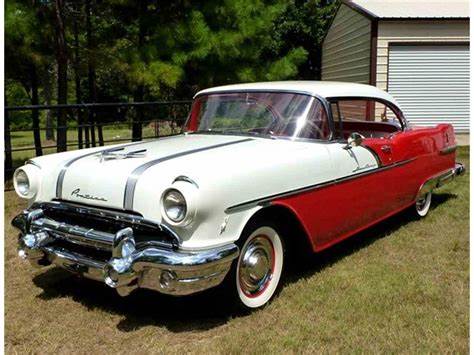
1957: Launch of 'Bunkie' Knudsen Era
Semon 'Bunkie' Knudsen became general manager of Pontiac and began transforming the brand's image from sedate to youthful and performance-oriented. He famously said, 'You can sell a young car to old people, but you can't sell an old car to young people.'

1959: Wide-Track Design Introduced
Pontiac introduced the 'Wide-Track' design, pushing the wheels farther out to the sides of the car for improved stability and handling. This became a key marketing point and design philosophy for decades.
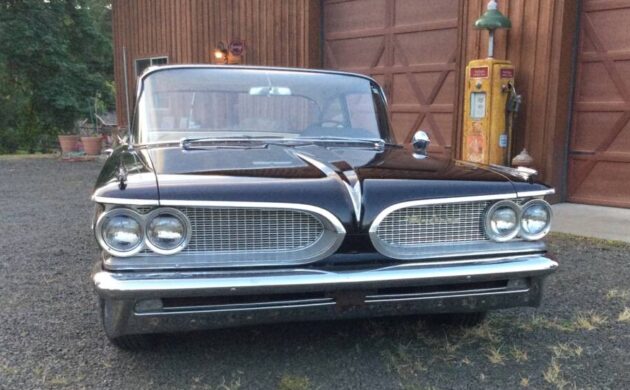
1961: John DeLorean Becomes Chief Engineer
John Z. DeLorean was promoted to chief engineer of Pontiac, where he spearheaded many innovations that defined Pontiac's performance image. His bold ideas and unconventional thinking laid the groundwork for cars like the GTO and Firebird.
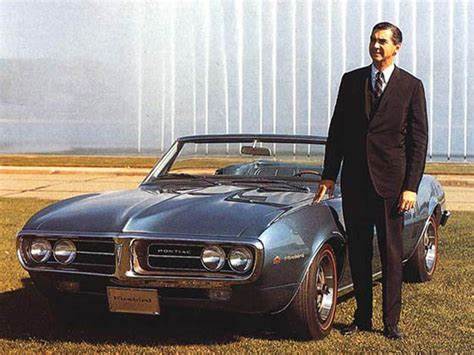
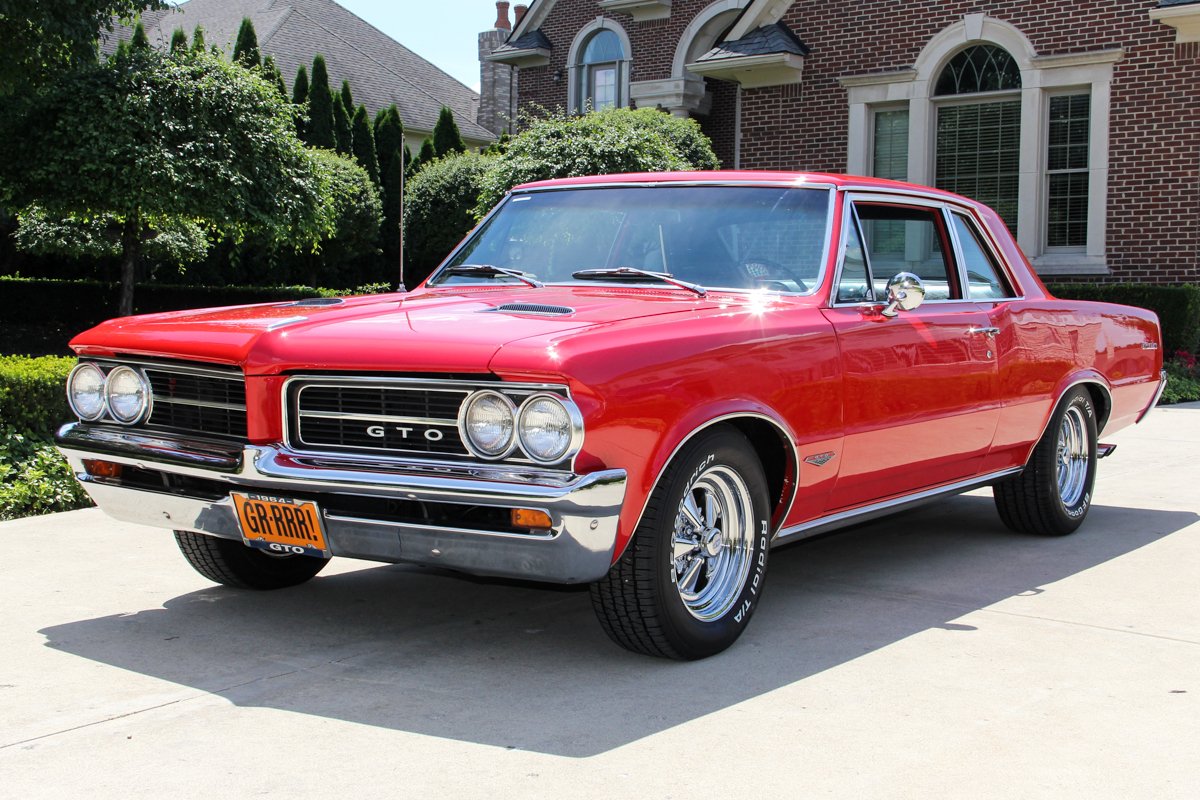
1964: The GTO and Birth of the Muscle Car
Under John DeLorean's direction, Pontiac introduced the GTO (Gran Turismo Omologato), widely considered to be the first true American muscle car. It was initially offered as an option package for the Pontiac Tempest.
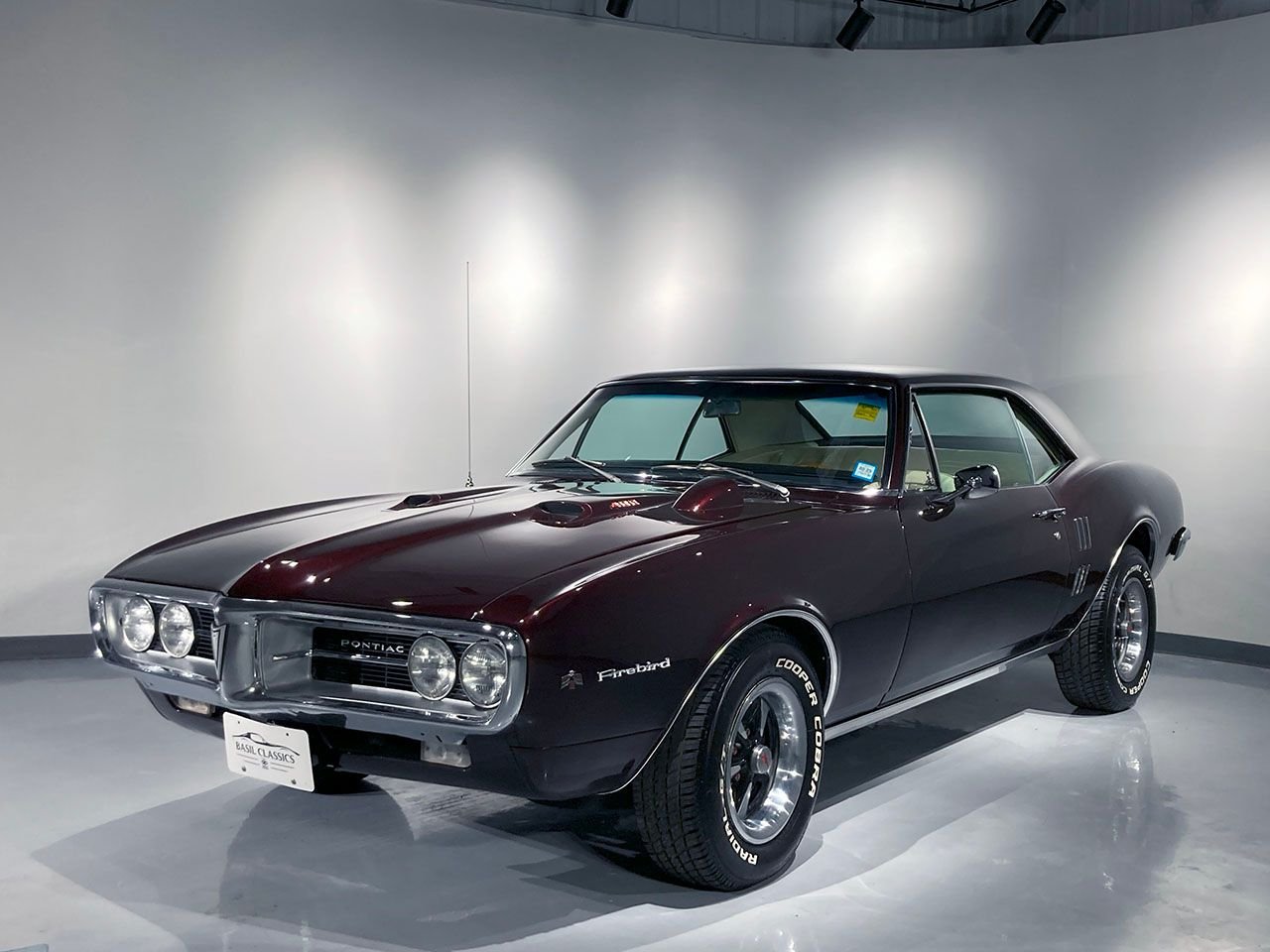
1967: Firebird Introduced
Pontiac introduced the Firebird, a pony car based on the Chevrolet Camaro platform but with distinctive Pontiac styling and engines. It became one of Pontiac's most iconic models.
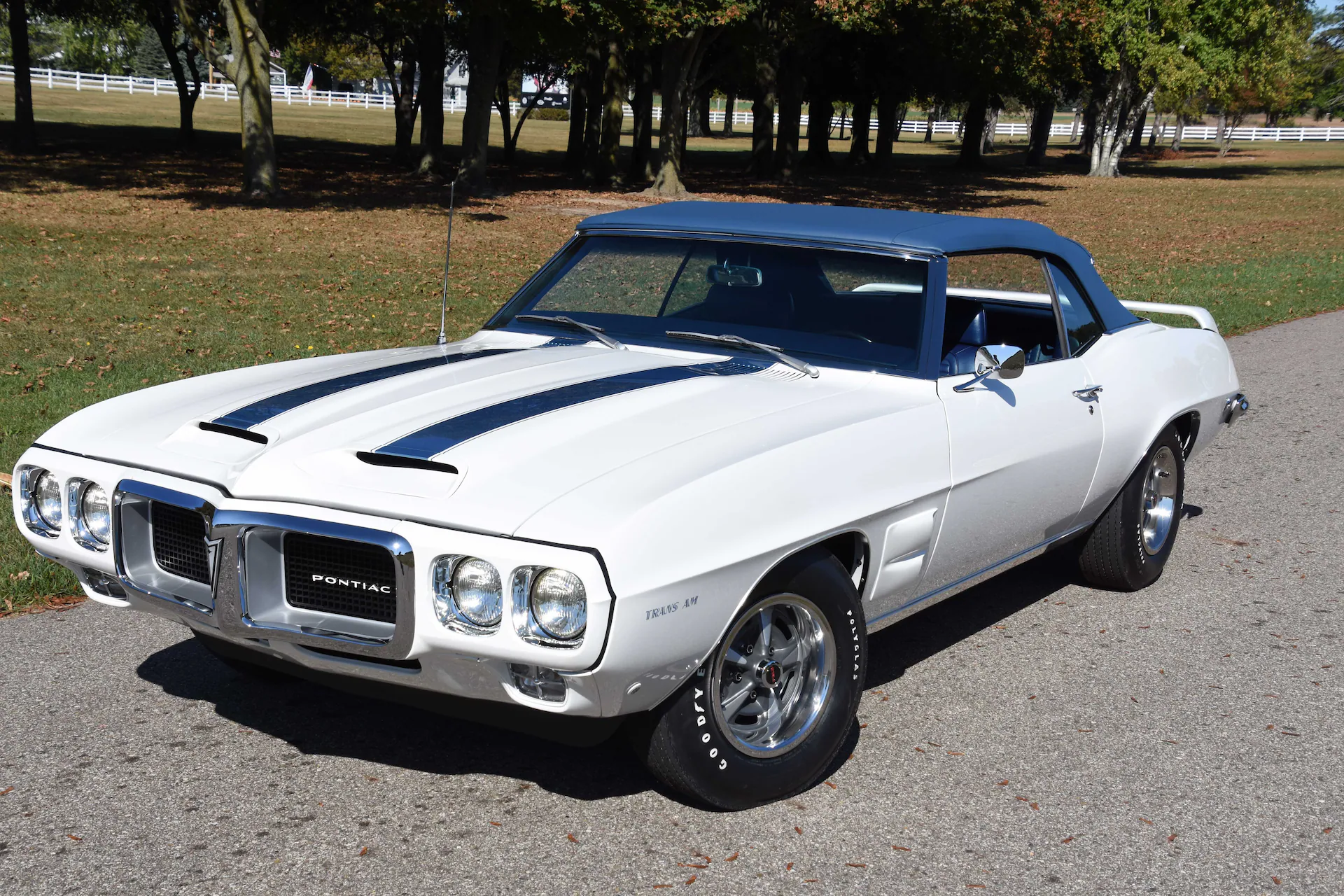
1969: Trans Am Debuts
Pontiac introduced the Trans Am performance package for the Firebird, named after the Trans American road racing series. It featured distinctive styling including the iconic hood bird decal and became one of Pontiac's most successful nameplates.
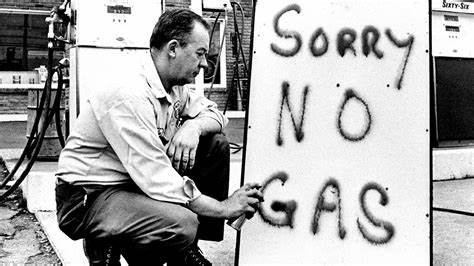
1973: Impact of Oil Crisis
The 1973 oil crisis significantly impacted Pontiac's performance-oriented lineup as consumers shifted toward more fuel-efficient vehicles. Horsepower began to drop across all models due to new emissions regulations.
1977: Firebird in 'Smokey and the Bandit'
The Pontiac Trans Am achieved pop culture icon status when it was featured prominently in the film 'Smokey and the Bandit' starring Burt Reynolds. The black and gold Special Edition Trans Am became one of the most recognizable cars in America.
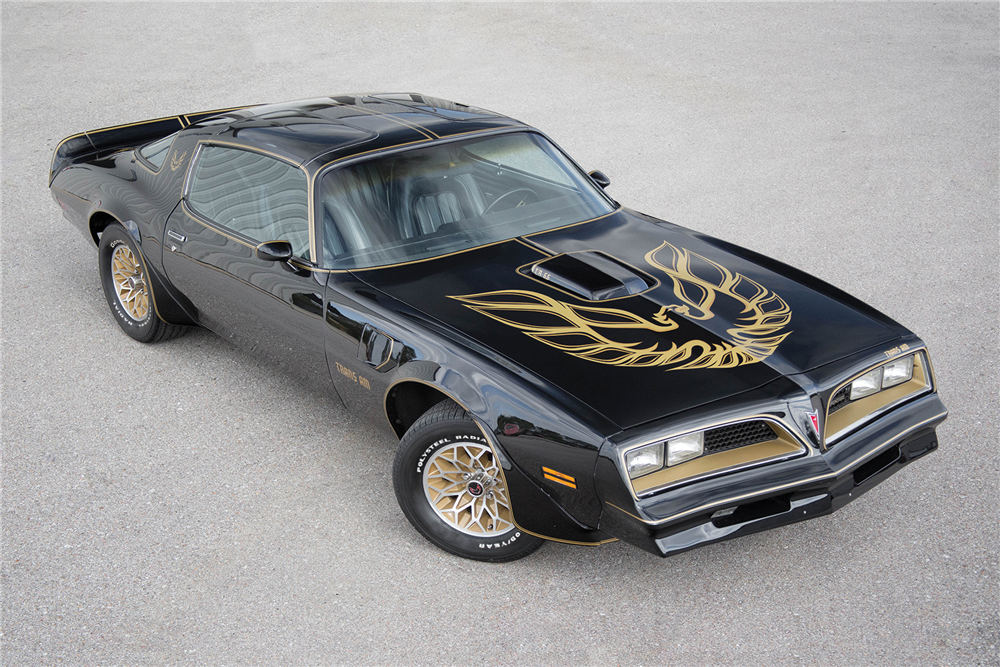
1982: Third Generation Firebird
Pontiac introduced the third generation Firebird with a completely redesigned aerodynamic body, pop-up headlights, and improved fuel efficiency. The Trans Am model continued as the performance flagship.
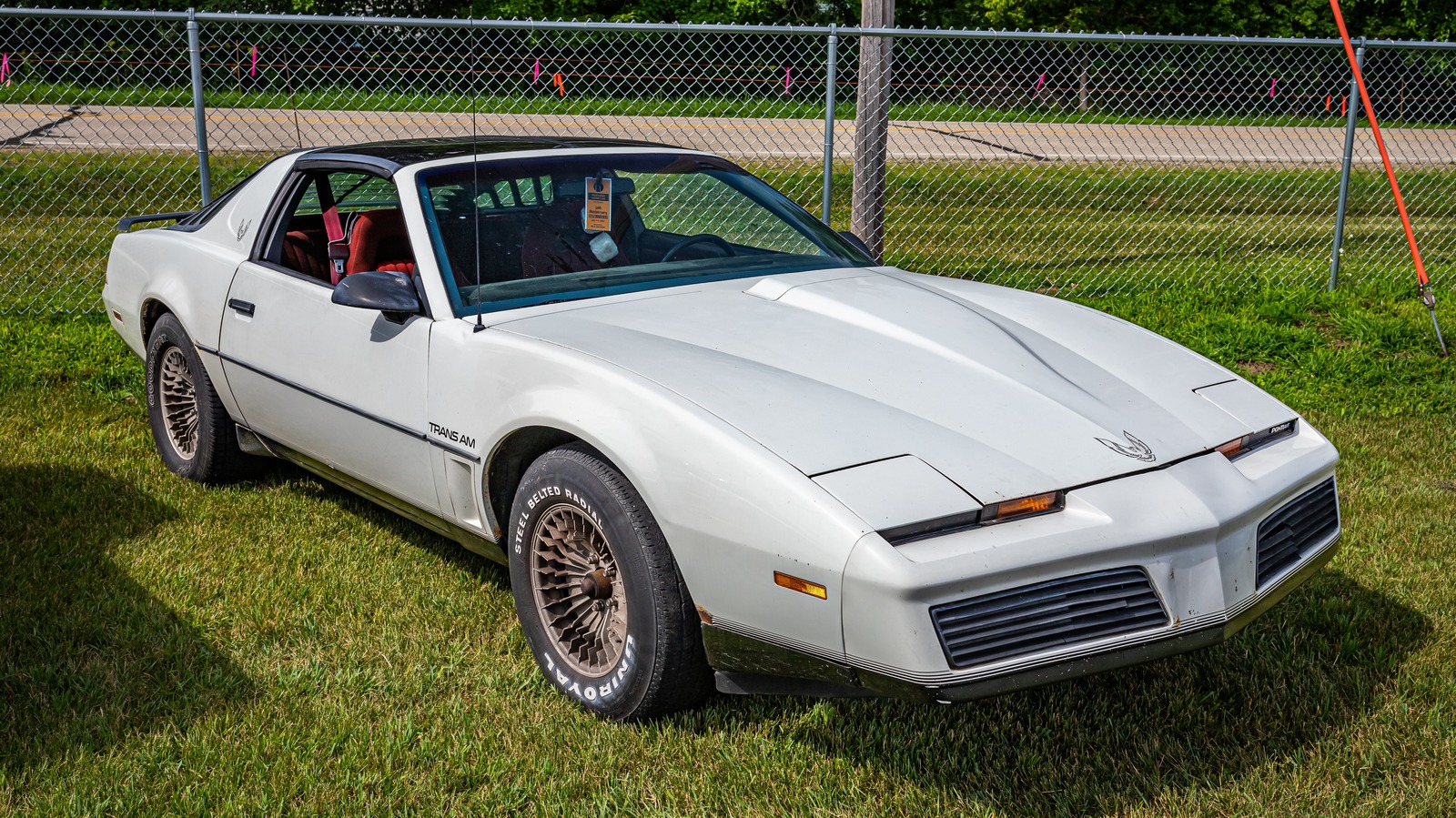
1984: Fiero Introduction
Pontiac introduced the Fiero, the first mid-engine sports car from an American manufacturer. Initially marketed as an economical commuter car, it later evolved into a more performance-oriented vehicle.
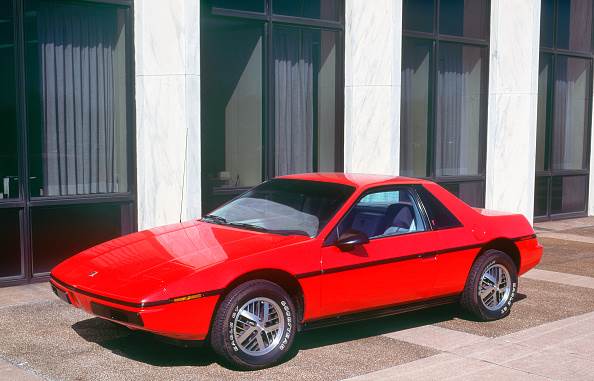
1989: 20th Anniversary Trans Am
To celebrate the 20th anniversary of the Trans Am, Pontiac created a special edition featuring a turbocharged 3.8L V6 engine borrowed from the Buick Grand National. It was the fastest domestic production car of 1989.
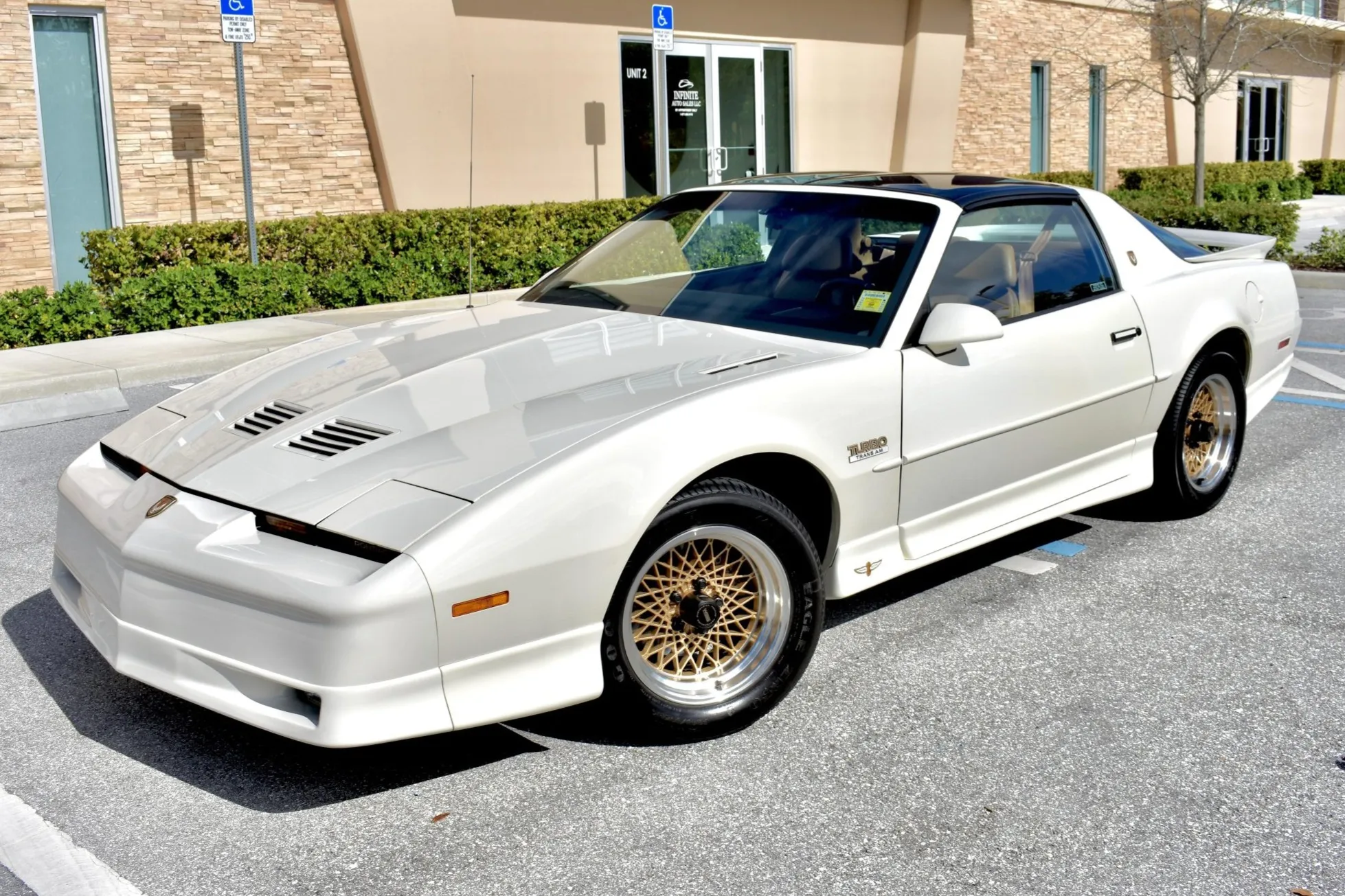
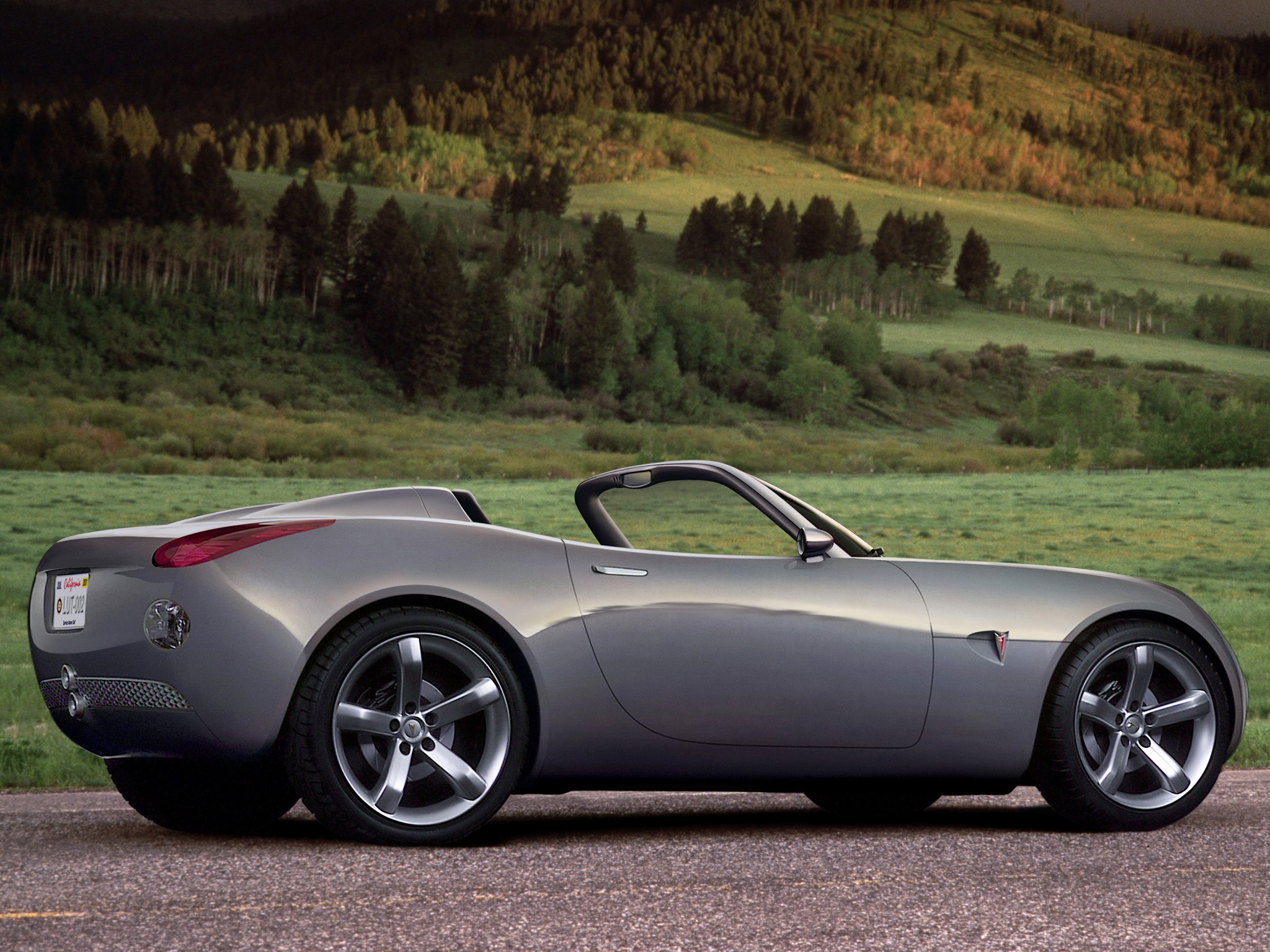
2002: Introduction of the Pontiac Solstice Concept
Pontiac unveiled the Solstice concept car, a compact roadster that generated significant public interest. It would eventually make it to production in 2005 as Pontiac's attempt to capture the sports car market.
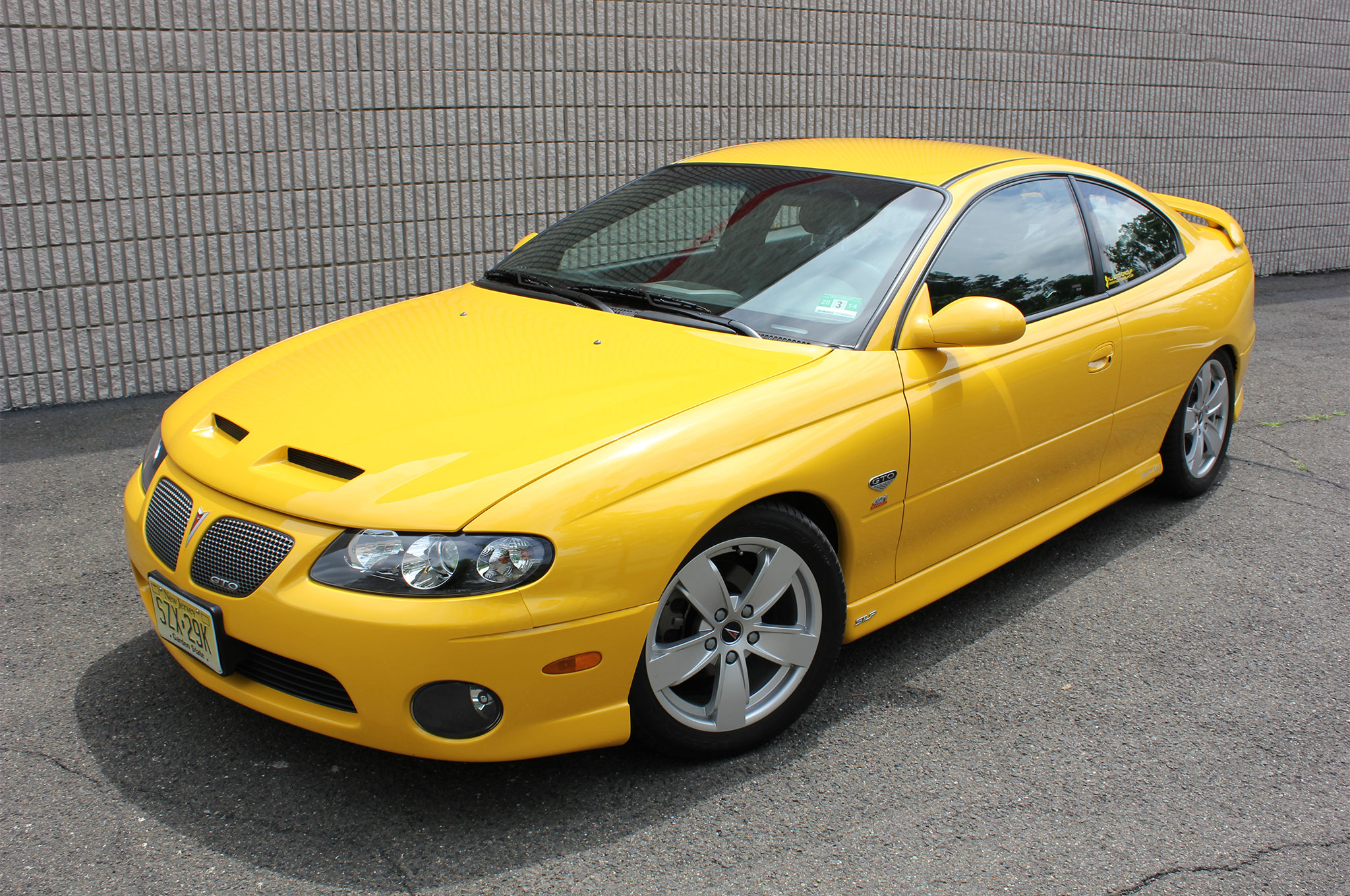
2004: GTO Revival
Pontiac revived the legendary GTO nameplate, importing a rebadged Holden Monaro from Australia. Despite its impressive performance, its subtle styling and high price led to lower than expected sales.
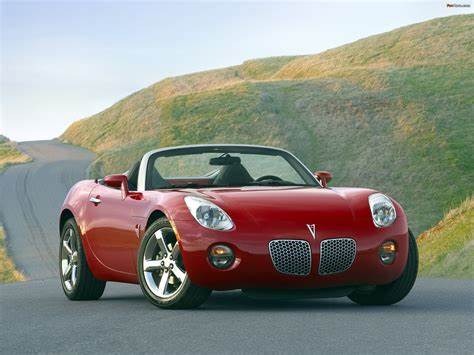
2005: Solstice Production Begins
The Pontiac Solstice roadster entered production as a 2006 model. Its attractive styling and reasonable price made it briefly successful, with first-year allocations selling out quickly.
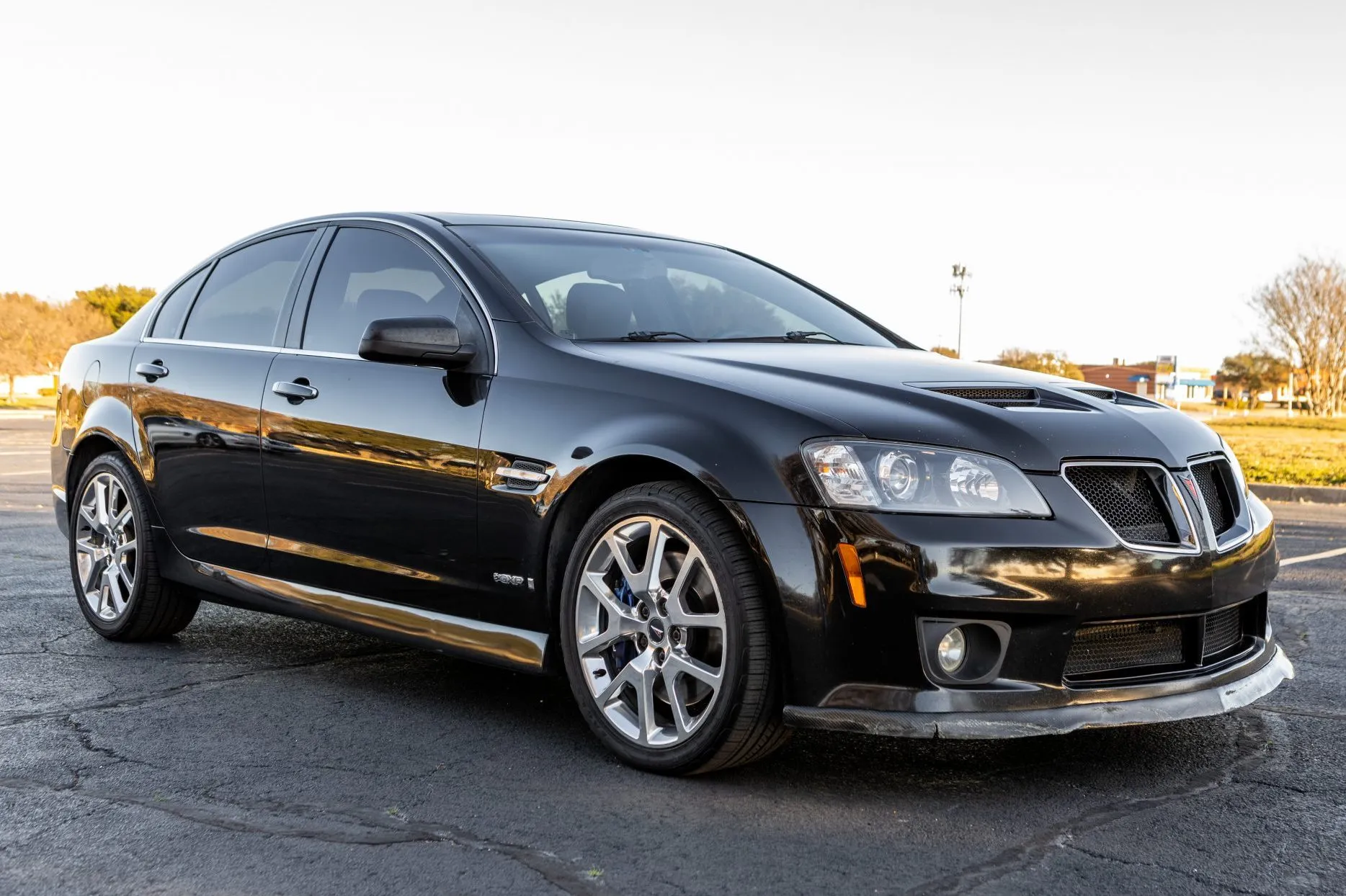
2008: Pontiac G8 Launches
The Pontiac G8, a rear-wheel-drive performance sedan based on the Australian Holden Commodore, debuted as a 2008 model. It was praised for its powerful V6 and V8 engine options, refined handling, and aggressive styling.
2008: Financial Crisis and GM's Trouble
The global financial crisis and subsequent automotive industry crisis put General Motors in severe financial difficulty. The company began evaluating its brands and making plans for consolidation.

2009: Announcement of Pontiac's Discontinuation
As part of its restructuring plan during bankruptcy proceedings, General Motors announced it would discontinue the Pontiac brand. Production would be phased out by the end of 2010.

2010: The End of Pontiac
After 84 years of production, the last Pontiac rolled off the assembly line in late 2009 (as a 2010 model). The final vehicle was a white Pontiac G6 sedan built at the Orion Township Assembly Plant in Michigan.